
Your Apartment Is Noisy? Here’s How to Add Quiet Cardio Equipment
Your Apartment Is Noisy? Here’s How to Add Quiet Cardio Equipment
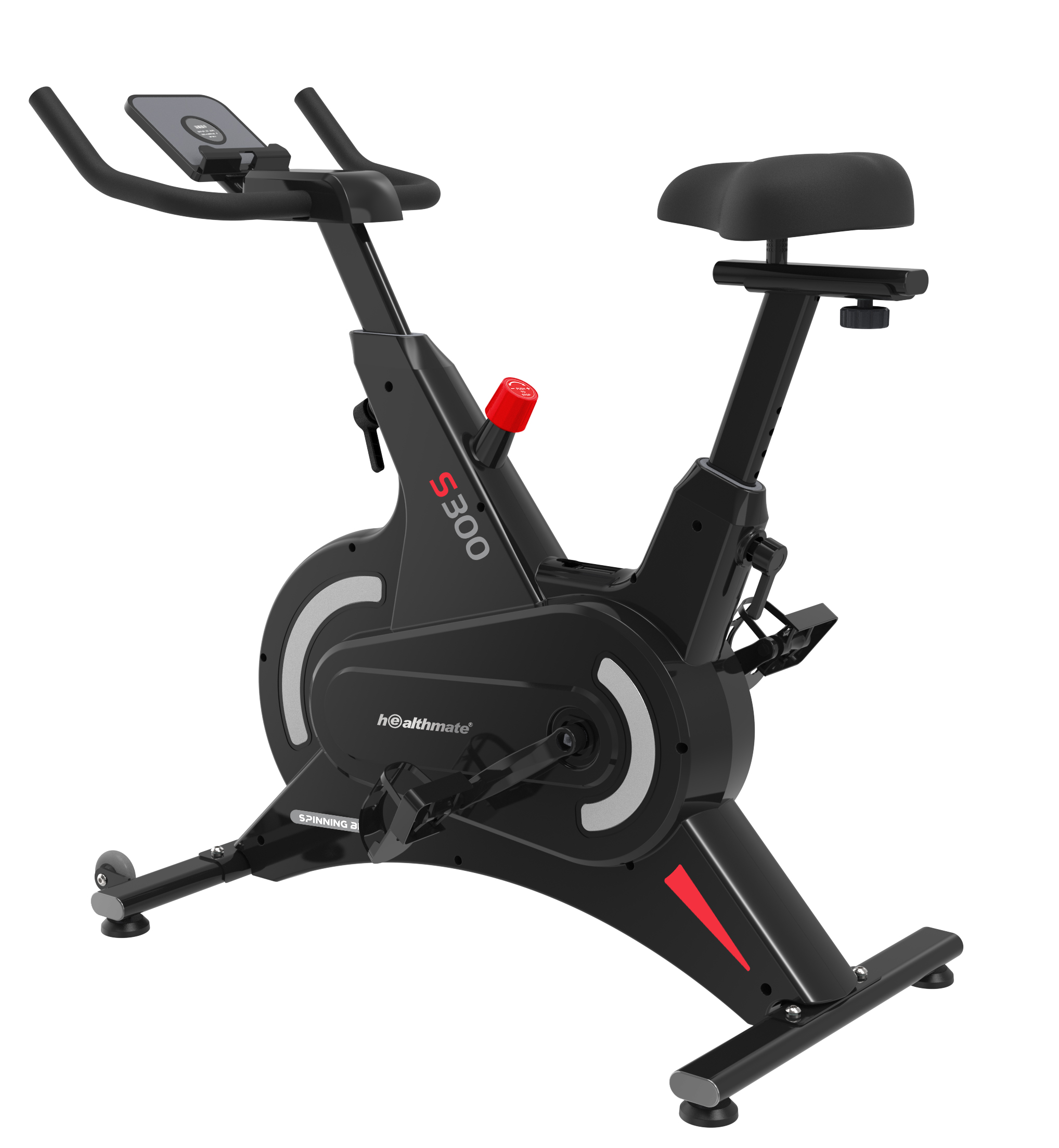
A cardio workout and a quiet apartment are not naturally compatible. The machines that raise your heart rate the most — motorised treadmills and anything that involves running — are also the ones most likely to send sound and vibration through a floor slab and into the flat below. The fix is not to give up cardio; it is to change machine category. A magnetic resistance bike such as the HSM-S300 and an indoor rowing machine such as the HSM-R06 remove the two loudest noise sources in home cardio: the motor-and-belt drive and the foot-strike impact of a running gait.
This guide is written for two readers who meet the same problem from opposite sides. The first lives in an apartment and wants a real training session without disturbing the neighbours. The second is a distributor, importer or project buyer sourcing apartment-friendly home fitness equipments, and needs machines that will not generate complaints, service tickets or returns. Both need the same thing: equipment whose quiet behaviour is a design property rather than an afterthought, plus the practical steps that decide how loud a session actually feels to the person downstairs.
Why Cardio Equipment and Apartment Living Clash
Noise from a home cardio machine reaches neighbours through two separate routes. Airborne sound — motor hum, belt friction, foot impact — travels through the air in your own room. Structure-borne vibration travels through the building itself: energy from the machine enters the floor slab and is re-radiated as low-frequency thudding in the room below. Structure-borne noise is the harder problem, because it is felt as much as heard, a closed door does nothing to stop it, and headphones in the apartment above change nothing.
Four noise sources account for most apartment complaints about home cardio equipment:
- Motor hum. Only motorised equipment produces it. A motor running under load creates a continuous low-frequency tone that is easy to notice in a quiet building.
- Belt friction in the resistance drive. Entry-level stationary bikes that press a belt against a flywheel generate friction noise, and that noise tends to grow as the belt wears.
- Foot-strike impact. Running and walking produce a sharp, repeating impact at every step. It is the loudest single event in a treadmill session and usually the first thing a neighbour below notices.
- Structural vibration. Impact and imbalance energy travels into the floor and the building frame, arriving below as a low thud rather than as a sound that background music can mask.
The practical consequence for a household is that machine category matters more than any accessory. The practical consequence for a buyer is commercial: apartment-dwelling users are a large and growing share of home cardio demand, and structure-borne noise creates the service complaints that are hardest to resolve after delivery.
What the Market Data Says About Quiet Home Fitness Equipment
Three signals are worth knowing before choosing a machine category.
The category is growing. Fortune Business Insights reports that the global home fitness equipment market was valued at USD 12.88 billion in 2025 and is projected to reach USD 22.99 billion by 2034, a compound annual growth rate of 6.81%. A significant share of that demand sits in apartments and smaller homes, where noise behaviour is part of the purchase decision rather than a footnote.
Resistance type has already shifted. Fortune Business Insights reports that magnetic resistance held a 62.4% share of the indoor cycling bike market in 2025. Buyers are moving toward magnet-based resistance systems — the architecture used in the HSM-S300 — because of how the drive behaves: no friction belt in the resistance path, no belt replacement in the magnetic system design, and a smoother ride than a belt-driven entry-level stationary bike.
Noise is being treated as a specification. In our own comparison data, modern home treadmills using brushless or brush motors are recorded with noise levels 25–45% lower than traditional treadmill motors, alongside a 60–80% space reduction through foldable structures. The direction is consistent: quiet operation and apartment fit are design targets now, not marketing positions.
Compliance runs in parallel. ASTM F2276 is the core safety standard for home fitness equipment, covering stability and the protection of moving parts. A quiet machine that is unstable or leaves moving parts exposed is not a finished product, so quiet design and safety design have to be delivered together.
The Quiet Cardio Solution: Magnetic Resistance Bikes and Rowing Machines
Two machine types solve the apartment noise problem at the design level rather than at the accessory level: a magnetic resistance exercise bike and an indoor rowing machine. Neither depends on a motor or on a running belt, so neither produces motor hum or foot-strike impact.
HSM-S300: a magnetic resistance bike built for apartment cardio
The HSM-S300 is a magnetic resistance exercise bike from the Ningbo Healthmate range. Its quiet behaviour comes from the drive architecture rather than from added sound insulation.
- Resistance system: magnetic resistance rather than a belt pressed against a flywheel.
- Ride quality: a smoother ride and higher workout intensity than a traditional belt-driven entry-level stationary bike.
- Component lifespan: 2–3x longer than the belt-driven entry-level alternative in our comparison data.
- Maintenance: no belt replacement in the magnetic system design, which also removes the friction noise a worn or slipping belt produces over time.
- Efficiency: 25% higher mechanical energy conversion efficiency due to reduced friction loss — less effort is lost to friction, and less friction means less friction noise.
- Best-fit training: endurance training. Initial cost is 20–30% higher than a traditional belt-driven entry-level stationary bike.
Because resistance is created by a magnetic field instead of a belt contact, the machine has no belt-friction or belt-slap source in its resistance path, and because there is no motor, there is no motor hum at all. What remains is the sound of the machine structure and the rider, and that is what the placement and stabilisation steps below are for.
Durability is handled at factory level as well. For risks such as resistance system failure and flywheel imbalance, the control method is structural strengthening, and the enterprise measure is endurance cycle testing.
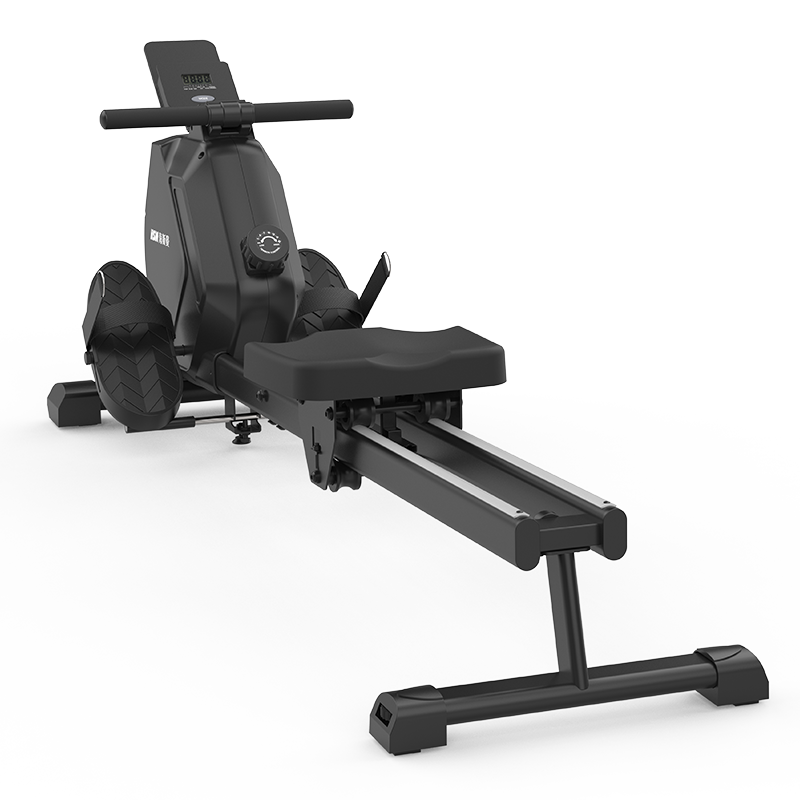
HSM-R06: an indoor rowing machine with a seated, non-impact stroke
The HSM-R06 is an indoor rowing machine in the same product range, built with ABS construction. A rowing stroke is seated and non-impact: there is no foot strike, and therefore none of the repeated sharp impacts that make running the loudest form of home cardio. The stroke runs as a controlled drive-and-recovery cycle, which keeps the machine’s own movement predictable instead of impulsive.
For apartment use, that combination matters more than the workout format. The HSM-R06 trains legs, back and upper body in a single motion while keeping contact forces between the user, the machine and the floor far gentler than a running gait. For a household that needs full-body cardio but cannot accept impact noise, it is the machine category that removes the problem rather than damping it.
What this pair means for distributors and project buyers
An apartment-focused range needs at least one machine with no motor and no running belt. The HSM-S300 and the HSM-R06 cover two different training intents — endurance cycling and full-body rowing — from a single supplier relationship, which simplifies sourcing, spare parts planning and after-sales handling. It also reduces service exposure: a magnetic drive needs no belt replacement in the magnetic system design, and the manufacturer provides a 1-year warranty for every damaged part.
Step-by-Step: Setting Up Quiet Cardio in an Apartment
Machine choice sets the ceiling on how quiet a session can be. These six steps decide how close you get to that ceiling.
- Choose a drive without a motor or a running belt. A magnetic resistance bike or an indoor rowing machine removes motor hum and foot-strike impact at source, instead of trying to absorb them afterwards.
- Choose the position in the room deliberately. Vibration travels through slabs and walls. Put the machine on the most solid available floor area, and keep it away from the wall that separates your room from a neighbour’s bedroom or living space. A wall shared with your own hallway transmits far less than a wall shared with the next flat.
- Decouple the machine from the floor. A dense anti-vibration mat under the machine breaks part of the direct path between frame and slab — the path that produces the low thud downstairs. Use it on a solid, level surface rather than over a soft carpet on a hollow floor.
- Level and stabilise. Check that the machine sits flat and does not rock. A rocking machine adds an impact at every pedal stroke or rowing stroke, and impact is exactly what travels through a building.
- Plan the session window. Check the building’s quiet hours and keep hard sessions out of the late-night and early-morning slots. A focused endurance session on a magnetic bike creates far less disturbance than an hour of running in the same room.
- For buyers: validate before you scale. Request a sample first, then run a pre-shipment test and a third-party inspection — the two acceptance criteria applied to Healthmate orders — before committing to a container programme.
Use Cases: Where Quiet Cardio Equipment Fits
- Studio and one-bedroom apartments. A magnetic resistance bike covers daily endurance work, while a rowing machine covers full-body sessions that stay seated and non-impact.
- Upper-floor units above a neighbour’s bedroom. Prioritise non-impact machines and add a damping mat under the frame; keep running-based cardio out of the equipment list entirely.
- Shared apartments and co-living units. Two people on different schedules can train at different hours when neither machine produces motor hum or foot-strike impact.
- Furnished and serviced apartment projects. Standardising on magnetic bikes and indoor rowers keeps impact-based, structure-borne noise out of the building’s equipment mix.
- Rental apartments where floors and walls cannot be modified. When the building itself is fixed, machine choice and floor decoupling are the only two levers available — and both are decided at purchase.
Magnetic vs Traditional Resistance: What the Comparison Data Shows
The table below compares a magnetic resistance system with a traditional belt-driven entry-level stationary bike. It is the comparison that matters most for apartment use, because it separates a design that removes belt friction from one that depends on it.
| Metric | Traditional belt-driven entry-level stationary bike | Magnetic resistance system (HSM-S300) |
|---|---|---|
| Resistance system | Belt-driven | Magnetic resistance system |
| Ride smoothness | Baseline | Smoother ride |
| Workout intensity | Baseline | Higher |
| Component lifespan | Baseline | 2–3x longer |
| Mechanical energy conversion efficiency | Baseline | 25% higher, from reduced friction loss |
| Belt replacement in the drive | Required by the belt-driven design | No belt replacement in the magnetic system design |
| Initial cost | Baseline | 20–30% higher |
| Best-fit training | — | Endurance training |
Read as a purchasing decision, the trade-off is clear. Magnetic resistance carries a 20–30% higher initial cost, and in return it delivers a 2–3x longer component lifespan, 25% higher mechanical energy conversion efficiency from reduced friction loss, and no belt replacement in the magnetic system design. For apartment users the decisive benefit is not the efficiency figure but the structural one: with no belt in the resistance path and no motor, the two noise sources that generate the most neighbour complaints simply do not exist in the machine.
Long-Term Supply: What an Apartment Cardio Line Needs From a Partner
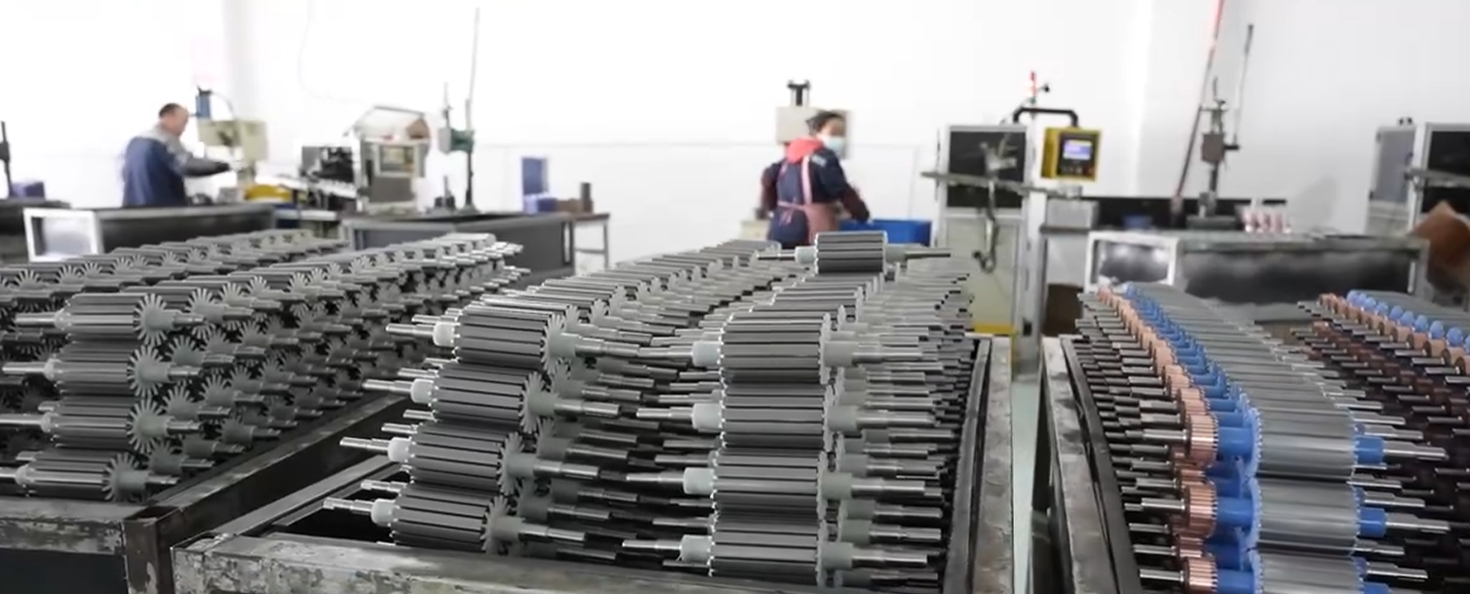
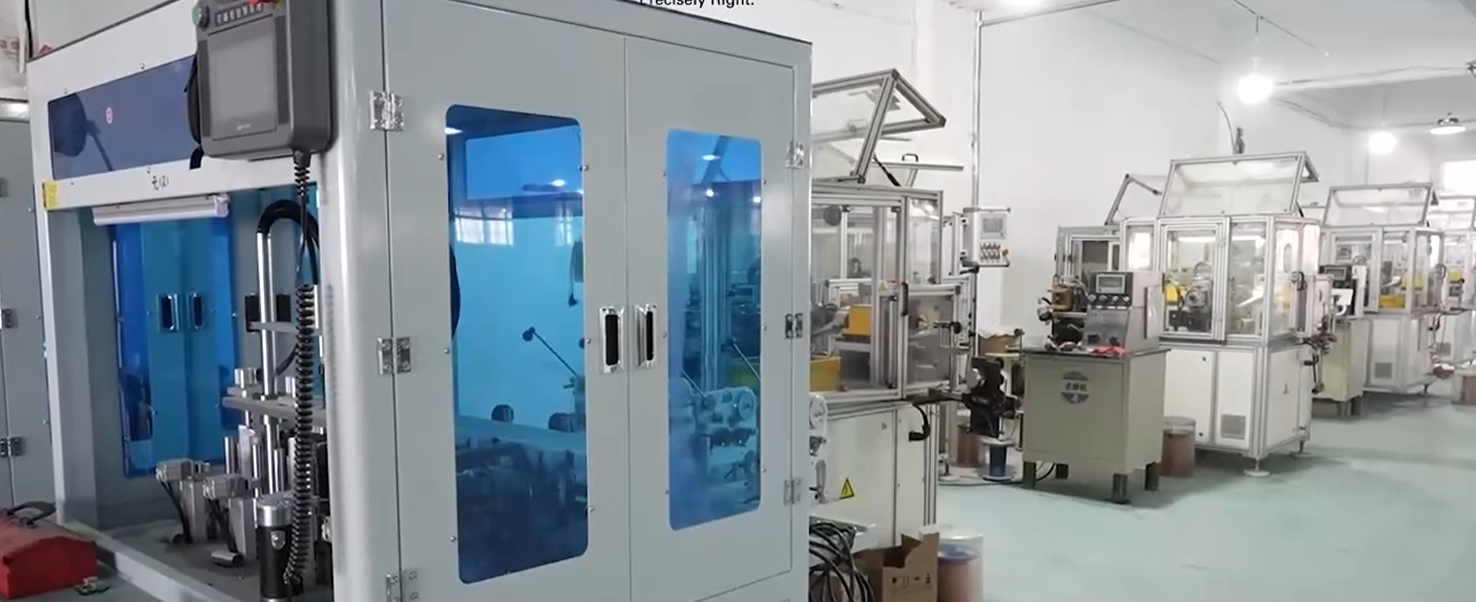
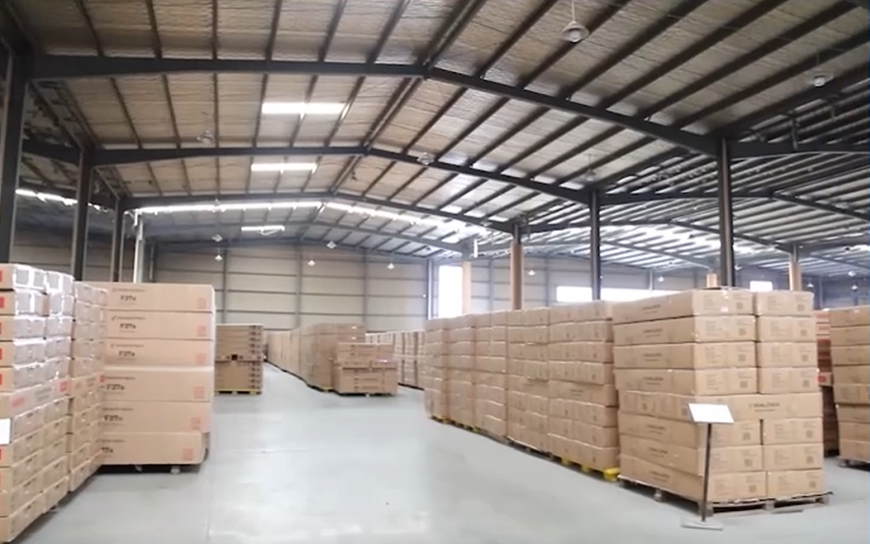
Ningbo Healthmate Health Technology Co., Ltd. is a manufacturer and supplier of home fitness equipments, founded in 2007 and based in Ninghai, Ningbo, China. The company operates a 100,000-square-metre manufacturing facility with 850 employees, including an R&D team of 38 engineers, and produces around 700,000 units annually. About 80% of output is exported to Europe, the USA, Japan, Korea, India, the Middle East and South America. The product line covers nine named families — Home-use Treadmill, Walking Pad, Vibration Machine, Spinning Bike, Magnetic X-bike, Upright Bike, Elliptical Trainer, Electric Mini Bike and Rowing Machine — which means an apartment-focused range can be built around magnetic resistance bikes and indoor rowing machines inside one supplier relationship.
| Supply item | Detail |
|---|---|
| Minimum order quantity | 100 pieces |
| Monthly production capacity | 8,000 pieces |
| Typical production lead time | 35–40 days |
| Quality control | 100% testing and third-party inspection |
| Acceptance criteria | Pre-shipment test, third-party inspection |
| Warranty | 1-year warranty for every damaged part |
| Delivery terms | FOB Ningbo |
| Payment terms | 30% T/T in advance, 70% T/T against copy of B/L |
A long-term relationship in this category depends on parts and consistency as much as on the first shipment. Warranty cover for every damaged part, 100% testing with third-party inspection, and a production cadence of 35–40 days against 8,000 pieces of monthly capacity give a distributor a predictable basis for planning stock across a multi-year apartment-focused range.
FAQ
Do quiet cardio machines still have to meet safety standards?
Yes. ASTM F2276 is the core safety standard for home fitness equipment and covers stability and the protection of moving parts. Quiet design does not replace safety design: a magnetic resistance bike or an indoor rowing machine still has to be stable and keep moving parts protected. In Healthmate production, quality control includes 100% testing and third-party inspection, and every damaged part is covered by a 1-year warranty.
Can one supplier deliver both the magnetic bike and the rowing machine for an apartment-focused range?
Yes, if the supplier’s range covers both categories. Ningbo Healthmate Health Technology Co., Ltd. is a manufacturer of home fitness equipment founded in 2007, with a 100,000-square-metre facility in Ninghai, Ningbo, China. Its product line includes Home-use Treadmill, Walking Pad, Vibration Machine, Spinning Bike, Magnetic X-bike, Upright Bike, Elliptical Trainer, Electric Mini Bike and Rowing Machine, so the HSM-S300 magnetic resistance bike and the HSM-R06 indoor rowing machine can be sourced within a single supplier relationship. Around 80% of output is exported to Europe, the USA, Japan, Korea, India, the Middle East and South America.
What is the minimum order quantity and how are orders paid?
Minimum order quantity is 100 pieces. Delivery terms are FOB Ningbo, and payment terms are 30% T/T in advance with 70% T/T against a copy of the bill of lading. Quality control covers 100% testing plus third-party inspection.
Can a buyer test a sample before placing a full order?
Yes. Samples can be requested before a production order is placed, and the acceptance criteria applied to Healthmate orders are a pre-shipment test and third-party inspection. That combination lets a buyer assess drive noise, stability and build quality on a real unit rather than on a specification sheet.
How do you choose a long-term home fitness equipment supply partner in China?
Start with three verifiable points: production capacity, lead time and after-sales cover. Ningbo Healthmate Health Technology Co., Ltd. runs a monthly production capacity of 8,000 pieces with a typical production lead time of 35–40 days, applies 100% testing and third-party inspection, and provides a 1-year warranty for every damaged part. Factory scale and export experience — a 100,000-square-metre facility in Ninghai, Ningbo, 850 employees including 38 R&D engineers, annual output of around 700,000 units and an 80% export ratio — turn a one-off order into a multi-year supply relationship. Request the HSM catalogue or ask for a sample of the HSM-S300 and HSM-R06 to start the evaluation.
Conclusion
Quiet cardio in an apartment is a machine-category decision, not an accessory decision. Removing the motor and the running belt removes motor hum and foot-strike impact; magnetic resistance replaces belt friction with a magnetic field and takes belt replacement off the maintenance list; a seated rowing stroke removes repeated impact altogether. Placement, floor decoupling, levelling and timing then decide how much of that design advantage actually reaches the neighbours.
For buyers, the same logic scales to a product range. An apartment-focused home fitness equipments line built around magnetic resistance bikes and indoor rowing machines answers a growing part of the market with lower service exposure — no belt replacement in the magnetic system design, 100% testing with third-party inspection, and a 1-year warranty for every damaged part. Both machines come from the same manufacturer: Ningbo Healthmate Health Technology Co., Ltd., founded in 2007, with a 100,000-square-metre facility in Ninghai, Ningbo and around 80% of output exported to Europe, the USA, Japan, Korea, India, the Middle East and South America.
Next Step: Sample, Quote or Catalogue
Request a sample of the HSM-S300 magnetic resistance bike or the HSM-R06 indoor rowing machine, ask for a quotation, or download the full catalogue.
Download the HSM catalogue (PDF)
Website: www.healthma.com
Email: sales002@healthma.com | Tel / WhatsApp: +86 195-5740-6815 | Contact: Clara
Address: Ninghai, Ningbo, China
Have Questions or Need More Details?
Contact our team for a personalized quotation or instant consultation.
Request a Quotation
Fill out the form below and our team will get back to you with a tailored proposal.
WhatsApp Direct Chat
Prefer to chat in real-time? Message us on WhatsApp for instant assistance & quick answers.
- Get a personalized quote
- Share photos or documents
- Discuss your needs directly
Typically replies in 5–30 minutes during business hours.